Commissioning of Three Wind Turbines in Weddelbrook
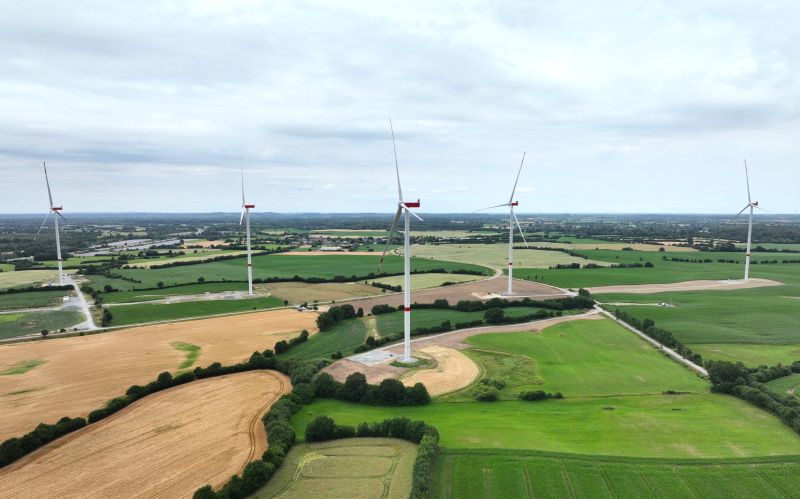
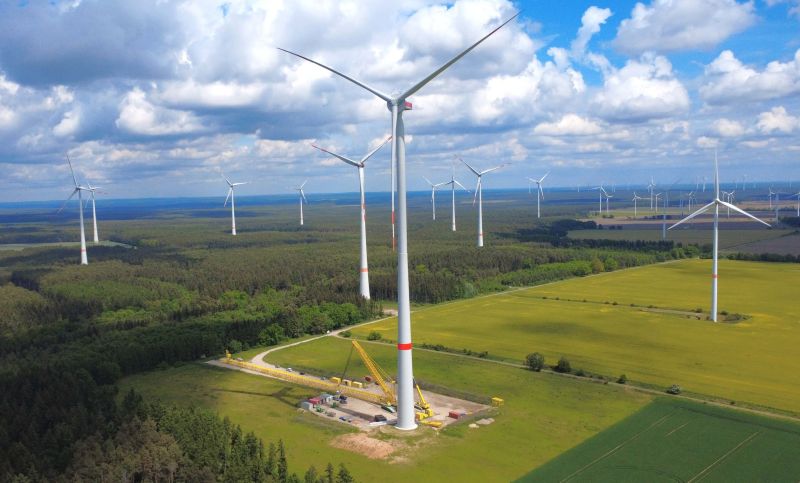
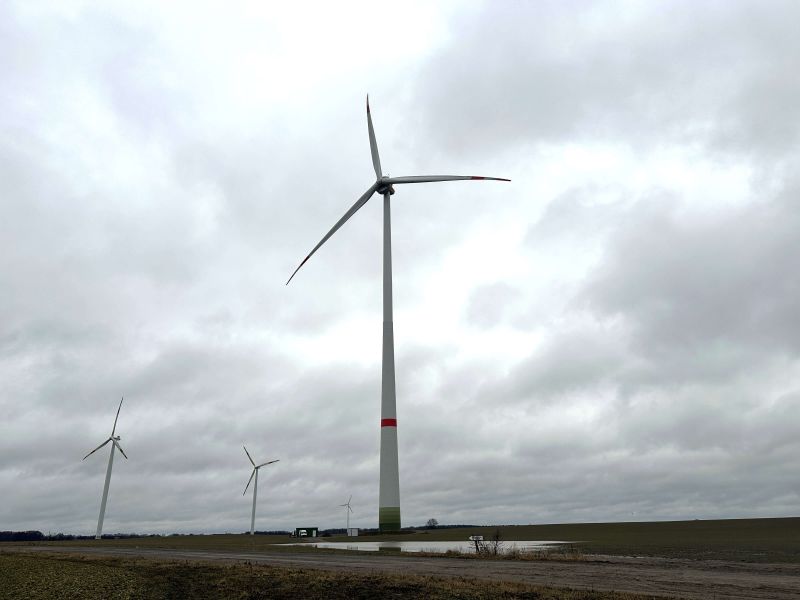
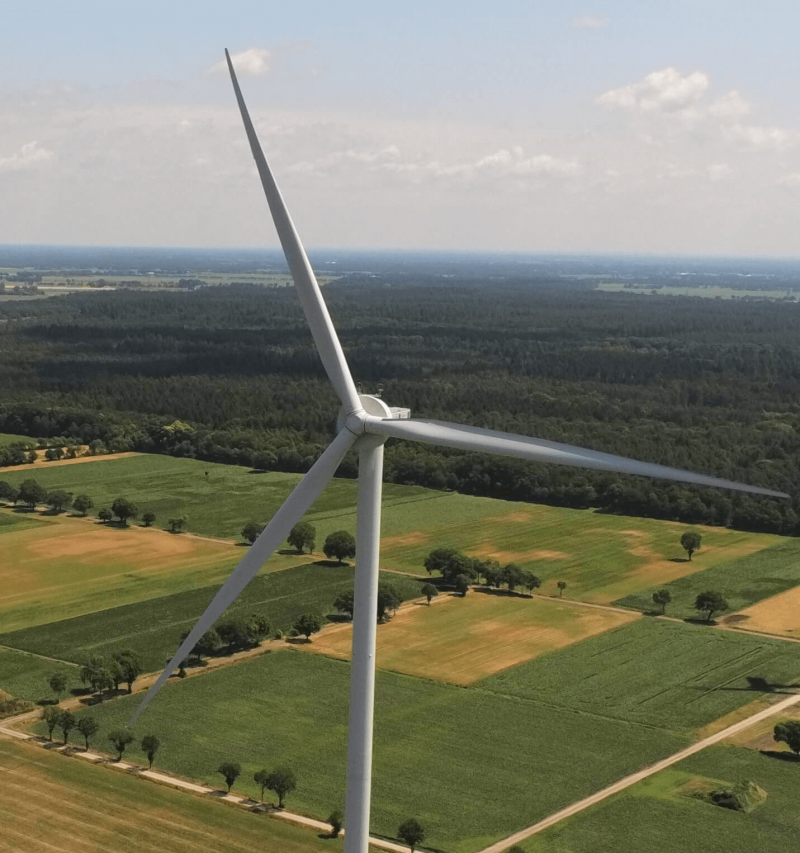
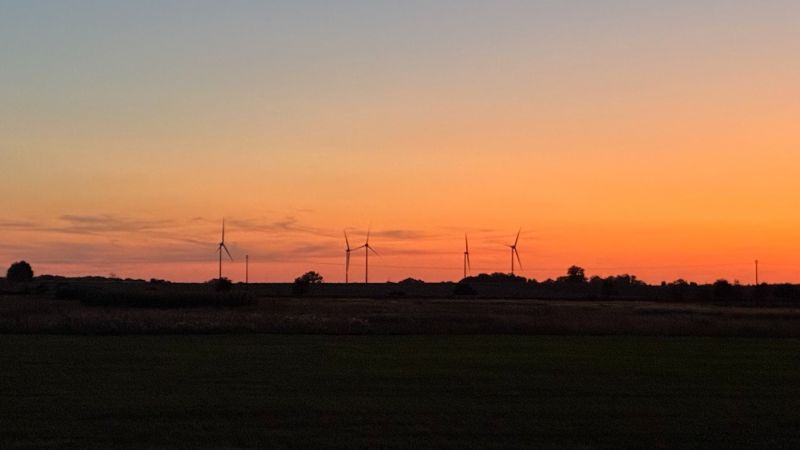
German Energiequelle Expands Wind Power Capacity in Schleswig-Holstein by 18 MWEnergiequelle GmbH has successfully commissioned three wind turbines in Schleswig-Holstein in the South of Germany. The Vestas V150 turbines have a hub height of 148 meters and a total installed capacity of 18 MW. In the future, they will generate approximately 47,000 MWh of renewable electricity annually, which is equivalent to the average annual consumption of about 9,100 households.
The turbines were erected on a site designated for wind energy development in the regional planning framework. This provided the necessary planning and regulatory basis for implementing the project.
Following approval in December 2023, the project was awarded a feed-in tariff by the German Federal Network Agency in July 2024. Construction began in October 2024, marking the start of the implementation phase. Commissioning took place from September 7, 2026.
“The commissioning of these three turbines marks an important milestone for us. I am pleased that the energy generated here will contribute to a reliable and sustainable electricity supply in the future,” says Eva Sommer, Team Lead Project Management. “I would also like to extend my sincere thanks to the municipalities of Föhrden-Barl and Weddelbrook for their excellent and trusting cooperation throughout the project.”
Construction activities were temporarily affected by challenging weather conditions. In particular, high groundwater levels during the winter months complicated work on the cable route. These delays ultimately resulted in the wind farm being commissioned later than originally planned.
Protection of Large Birds of Prey and Attractive Citizen Investment Opportunity
To protect large birds and birds of prey, a mowing management concept is being implemented. During harvesting periods, the wind turbines can be temporarily shut down when necessary. In addition, diversion areas have been created to keep the animals away from the immediate vicinity of the turbines.
Energiequelle has also introduced a citizen participation scheme. Local residents were able to invest with a minimum contribution of € 3,000 and will receive a fixed annual return of five percent over a period of four years. This enables the local population to benefit financially from the wind farm while ensuring regional value creation.
The wind farm therefore not only supports the expansion of renewable energy in the region but also strengthens public acceptance of the energy transition.

More news